
Weight loss journey when your body is adjusting to new eating patterns and reduced caloric intake, it’s natural to experience strong urges for certain foods. Understanding and effectively managing these cravings is crucial for long-term success.
Food cravings aren’t just about willpower – they’re complex physiological and psychological responses. These intense desires often stem from hormonal changes, emotional triggers, and established eating patterns that your body has grown accustomed to over time.
The experienced team at medical weight loss emphasizes that cravings are a normal part of the weight loss process. Their approach focuses on helping patients understand the root causes of their cravings, making it easier to develop effective management strategies that lead to lasting success.
Identifying your craving triggers
Different situations, emotions, or times of day might trigger specific cravings. Keeping a detailed food and mood journal can help identify patterns and anticipate challenging moments. At Medical Weight Loss Madison professionals work closely with patients to create personalized strategies for managing cravings, taking into account individual lifestyle factors, stress levels, and specific trigger situations that might lead to unwanted eating patterns.
Practical strategies for managing cravings
Stay hydrated
- Drink water consistently throughout the day
- Try herbal teas for variety
- Use sugar-free flavouring if needed
Practice mindful eating
- Eat slowly and without distractions
- Pay attention to hunger versus craving signals
- Take time to appreciate your food
Plan your meals
Planning regular, balanced meals helps maintain stable blood sugar levels and reduces the likelihood of intense cravings. Include protein, fibre, and healthy fats in each meal to promote satiety.
Smart substitutions
Instead of completely restricting yourself, find healthier alternatives that satisfy similar taste or texture cravings:
- Greek yoghurt for creamy desserts
- Fresh fruit for sweet cravings
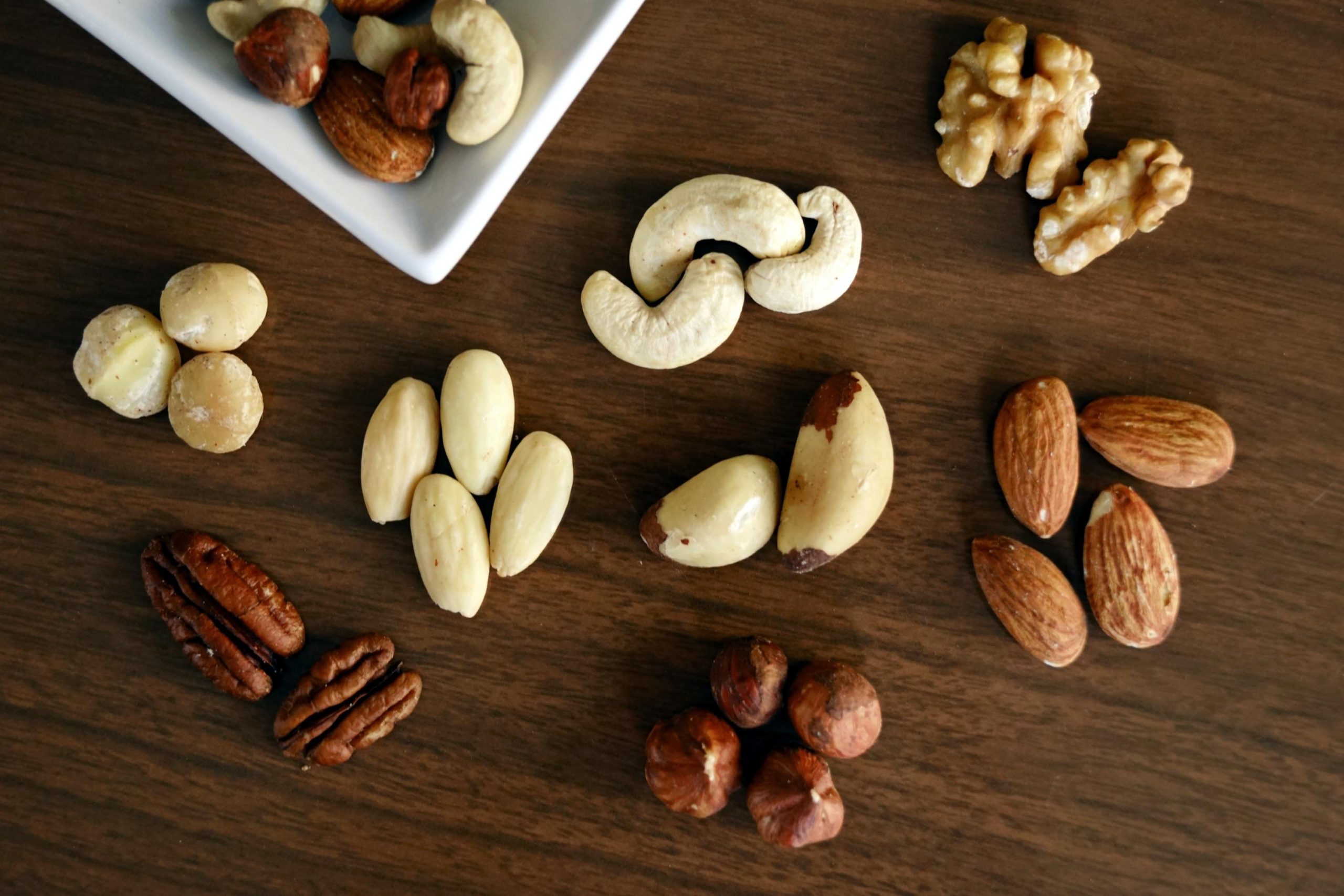
- Nuts for crunchy snack cravings
- Air-popped popcorn for salty desires
Emotional management techniques
When cravings are emotionally driven, try:
- Deep breathing exercises
- Short walks
- Meditation
- Calling a friend
- Engaging in a hobby
Poor sleep can intensify cravings and reduce willpower. Prioritize getting 7-9 hours of quality sleep each night to help maintain better control over cravings and eating habits.
Exercise and physical activity
Regular physical activity can help:
- Reduce stress-related cravings
- Balance hunger hormones
- Improve mood
- Increase motivation to stay on track
Nutritional strategies
Focus on balanced nutrition by:
- Eating protein at every meal
- Including plenty of fibre
- Choosing complex carbohydrates
- Maintaining proper portion sizes
Emergency craving management
When intense cravings strike:
- Wait 15 minutes before acting
- Drink a large glass of water
- Take a brief walk
- Practice deep breathing
- Engage in a distracting activity
Success in managing cravings isn’t about eliminating them completely but rather about developing healthy responses and coping mechanisms. By incorporating these various strategies and remaining committed to your goals, you can effectively manage cravings while continuing on your weight loss journey.